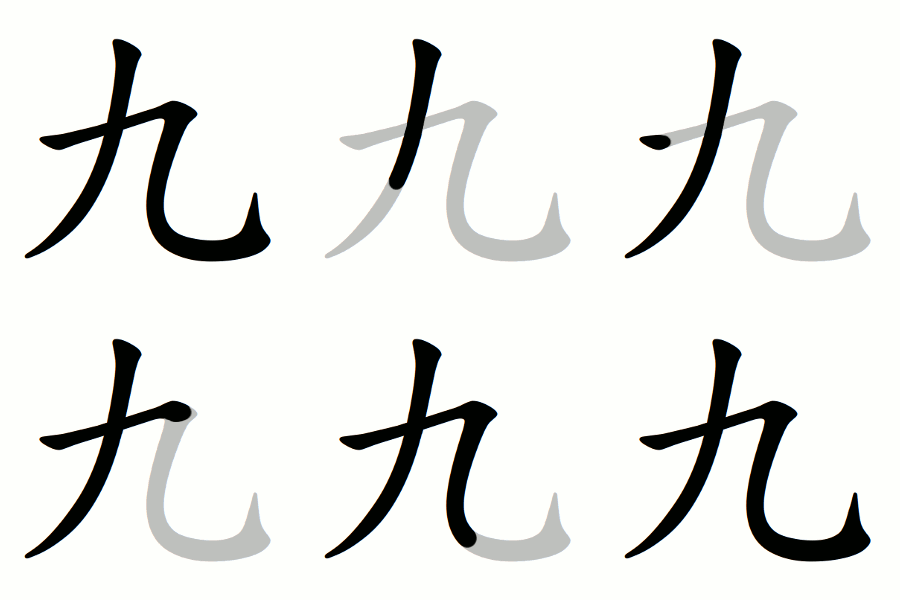
九
- nine, number 9, ninth;
Etymology
九 is a pictographic/indicative character.
It is thought to depict a bent arm or hook-like shape, representing the concept of reaching a limit or end. Over time, it came to represent the number nine, the largest single-digit number.
In oracle bone script and bronze inscriptions, the character 九 resembled the shape of an elbow. Today, the character specifically meaning "elbow" is 肘.
Related characters:
- end or extreme point;
- number nine;
- symbol of completeness or abundance.
Usage in Korean
구월 (九月) — September
구십 (九十) — ninety
구층 (九層) — nine floors
Additional notes
Because 9 is the largest single-digit number, it can also carry the meaning of many or abundant. Additionally, due to its similar pronunciation to 久 ("long-lasting" or "enduring"), it can also imply longevity or something old.
A variant or associated character is 玖, which originally means "jade stone" but shares the same pronunciation and is thus used as a homophone.
In many East Asian traditions, nine symbolizes longevity and completeness.
It often appears in historical, cultural, and symbolic contexts (e.g., imperial symbolism in China).
In China, 九 is also used as slang for alcohol (酒, jiǔ), simply because they sound the same.
Words that derived from 九