蛇
- snake;
- serpent;
Etymology
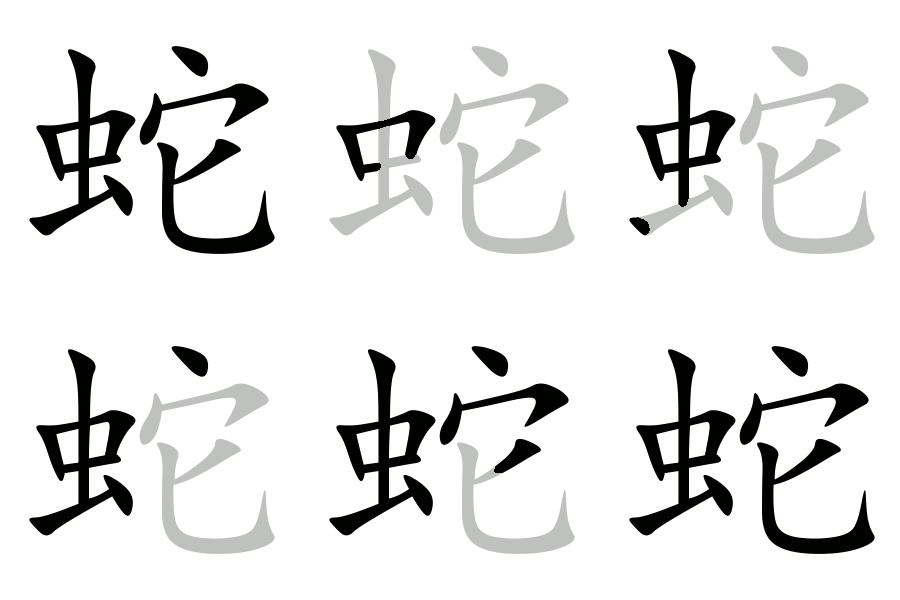
A phono-semantic compound:
虫 (insect; creeping creature) — indicates animals that crawl or slither (reptiles, insects, and small creatures in ancient classification)
它 — provides the sound and originally meant “other,” "something unusual or different"
The character originally referred to a long, limbless crawling creature, i.e. a snake. The emphasis on length and movement distinguishes it from other 虫-class creatures.
Usage in Korean
사상 (蛇狀) — snake-like shape
독사 (毒蛇) — venomous snake
사신 (蛇身) — snake body
Additional notes
蛇 refers specifically to snakes, not insects, despite the 虫 radical.
The 虫 radical historically covered insects, reptiles, amphibians.
Compared with:
蟲 — insects collectively
龍 — dragon (mythical, exalted)
虺 — small snake or viper (archaic)
Related characters:
蟲 — insects; crawling creatures
虺 — small snake (classical)
龍 — dragon
蜥 — lizard
In East Asian culture snake is one of the Twelve Earthly Branch animals (生肖). Often paired with dragons in mythological symbolism.
Represents wisdom, danger, rebirth, or temptation depending on context.
In Classical Chinese 蛇 is widely used in:
- myths
- omen descriptions
- moral allegories
Example imagery:
- snakes as symbols of yin, darkness, or transformation
- association with mountains, water, and hidden places
Words that derived from 蛇
- 中戈十心 (LIJP)
- ⿰ 虫 它
Neighboring characters in the dictionary
